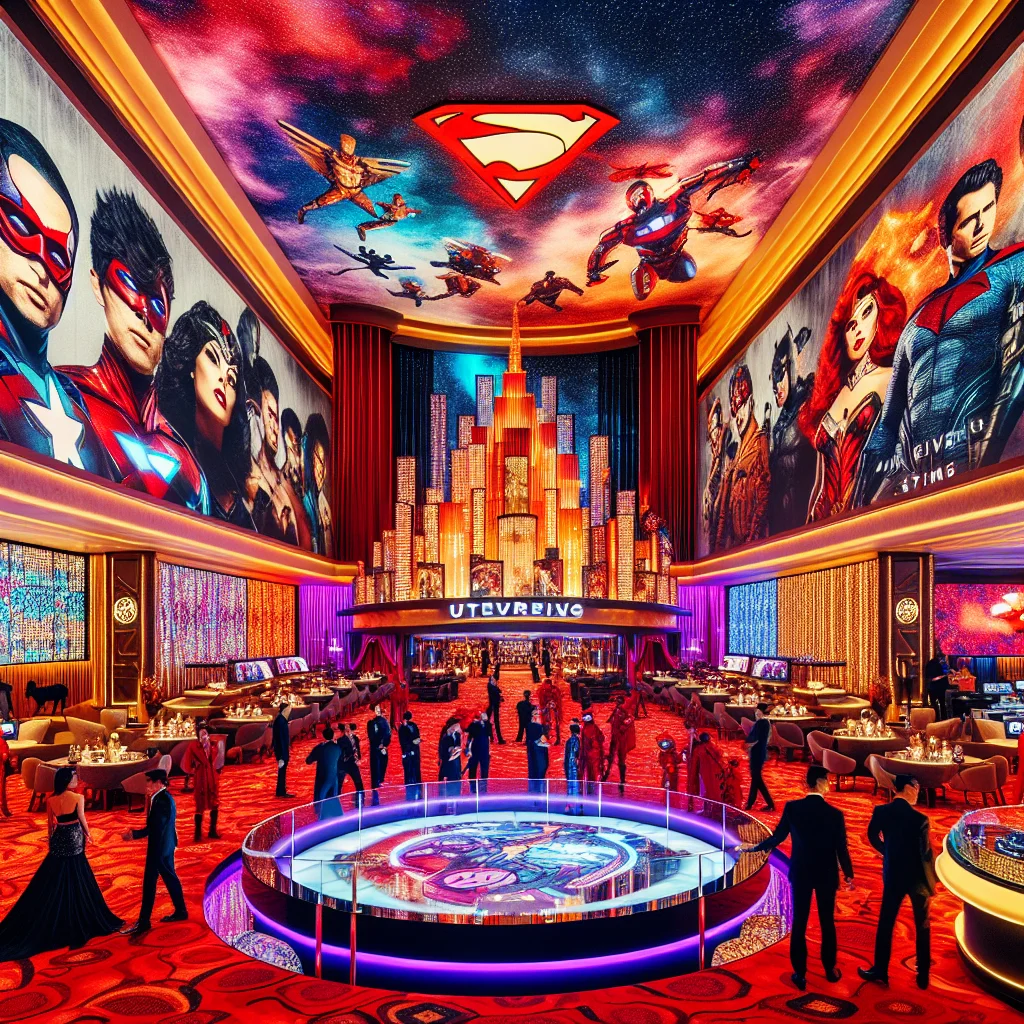
The evolution of themed casino resorts is inextricably linked to the pulsating heart of global pop culture. These destinations have evolved from creating their own original fantasies to expertly curating and integrating existing, beloved cultural narratives. This shift represents a powerful symbiotic relationship: pop culture provides a ready-made, emotionally resonant universe with a built-in fanbase, while the themed resort offers a physical, immersive manifestation where fans can literally step inside the story. This fusion transforms the resort from a mere vacation spot into a pilgrimage site for fandom, a live-action platform for intellectual property (IP), and a constantly refreshed spectacle that leverages the marketing might of Hollywood, the music industry, and the digital sphere. The result is a potent commercial alchemy where the lines between watching a blockbuster, playing a video game, and vacationing in its world become beautifully blurred, creating an unprecedented form of experiential entertainment.
From Silver Screen to Casino Floor: Licensed IP and Film Franchises
The most direct pop culture integration comes through licensed intellectual property. Resorts are increasingly partnering with major film studios to create entire wings, attractions, or even full properties based on blockbuster franchises. This strategy mitigates the risk of developing an original, untested theme by adopting a world with proven global appeal. Imagine a resort where the hotel towers resemble the iconic spaceships from a famous sci-fi saga, the lobby features life-sized replicas of beloved droids, and the signature restaurant is modeled after a cantina from the films. Slot machines and digital table games feature characters and storylines, transforming gambling into an interactive extension of the narrative. These partnerships are lucrative two-way streets: the resort pays substantial licensing fees and shares revenue, while the studio gains a massive, high-profile marketing installation that keeps the franchise relevant and merchandising sales booming between film releases, effectively creating a permanent, revenue-generating advertisement.
The Celebrity Chef Ecosystem: Culinary Stardom as a Theme
In the realm of dining, pop culture’s influence is embodied by the celebrity chef. Their fame, cultivated through television shows, best-selling cookbooks, and social media, is itself a powerful theme. A resort no longer just opens a steakhouse; it opens “Gordon Ramsay’s Hell’s Kitchen” or “Wolfgang Puck’s Spago.” The chef’s persona and brand become the immersive experience. The restaurant’s design reflects their show’s set or aesthetic, the menu features their signature dishes, and the possibility of a celebrity sighting adds thrill. This transforms a meal into a cultural event. For the resort, it guarantees media attention, draws food tourists, and justifies premium pricing. For the chef, it expands their empire into a lucrative, stable hospitality venue with a captive audience of thousands daily. This ecosystem extends to celebrity mixologists, master sommeliers, and even famous pastry chefs, each lending their pop culture cachet to elevate the resort’s F&B offerings from sustenance to star-studded spectacle.
Music, Residencies, and the Nightlife Nexus
Live music has always been part of the casino resort offering, but the modern model revolves around the lucrative “residency.” Pop and legacy music superstars—from Lady Gaga and Bruno Mars to Elton John and Celine Dion—sign exclusive contracts to perform a series of concerts in a custom-built, state-of-the-art theater within a resort. This is a pop culture phenomenon in itself. The residency becomes a news story, driving ticket sales from dedicated fans who travel globally to attend. The resort’s theme often adapts to the artist; a futuristic resort might host an electronic music icon, while a classic Vegas palace might house a legendary crooner. Beyond residencies, resorts leverage pop music through nightclubs and day clubs (daytime pool parties) helmed by world-famous DJs. These venues, often bearing the DJ’s name or brand, become destinations that define the resort’s cool factor, attracting a young, affluent, and social-media-savvy crowd whose posts from the event generate invaluable organic marketing, directly linking the resort’s identity to the glamour of music stardom.
Social Media as the Ultimate Theming Tool
In the digital age, a resort’s theme is not complete until it is “Instagrammable.” Designers now consciously create “photo moments”—iconic backdrops, stunning art installations, whimsical details, and breathtaking vistas that guests are compelled to share. A floral wall in a lobby, an infinity pool with a cityscape view, a dramatic light tunnel, or a colossal thematic sculpture all serve this purpose. The resort’s pop culture relevance is often measured by its virality on platforms like TikTok and Instagram. Hashtag campaigns, influencer partnerships, and challenges are launched to trend online. When a celebrity posts from the resort or a viral meme originates there, it achieves cultural penetration no traditional ad buy can match. The theme, therefore, must be visually striking and unique enough to compete for attention in the crowded social media feed. This digital layer turns every guest into a potential content creator and brand ambassador, weaving the resort’s fantasy directly into the fabric of online pop culture.
Gaming Itself: Slot Machines and Digital Crossovers
The most intrinsic fusion of pop culture and the casino resort happens on the gaming floor itself through themed slot machines and electronic games. These are no longer generic fruit or seven-reel games; they are mini-interactive experiences featuring graphics, music, and bonus rounds drawn from hit movies, TV shows, comic books, and music legends. Players can spin reels alongside Marvel superheroes, journey with characters from “Game of Thrones,” or rock out to a Aerosmith-themed slot. This crossover serves multiple purposes. It attracts fans who may not be traditional gamblers but are drawn to engage with their favorite IP. It provides familiar comfort and excitement, lowering the barrier to entry for new players. For the IP holder, it’s another revenue stream and marketing touchpoint. This trend is expanding into digital table games and even virtual reality (VR) experiences within the resort, where guests can don a headset to enter a fully realized pop culture universe for gaming or exploration, pushing the symbiotic relationship into the frontier of immersive tech.
The Future: Dynamic Themes and Ephemeral Pop-Up Realms
The future of this relationship points towards even greater fluidity and responsiveness. Instead of a single, static theme built in concrete, resorts may feature dynamic, changeable environments that can adapt to the pop culture moment. Through projection mapping, modular set pieces, and augmented reality (AR), a lobby could transform from a Gothic castle for a vampire film promotion to a tropical paradise for a summer music festival campaign. The concept of the “pop-up” themed experience will become more sophisticated—limited-time installations based on a new Netflix series, a viral video game release, or a trending social media aesthetic. This allows resorts to stay perpetually fresh and relevant, capitalizing on fleeting cultural moments without the billion-dollar commitment of a full rebuild. The resort becomes a living stage for pop culture itself, a chameleon that reflects what the world is watching, listening to, and talking about right now, ensuring its place not just as a destination, but as a permanent participant in the global cultural conversation.
The marriage between themed casino resorts and pop culture is a masterstroke of modern entertainment economics, creating a feedback loop of fantasy and fame. By embedding themselves within the stories, sounds, and stars that dominate the global consciousness, these resorts guarantee their own relevance and desirability. They offer fans the ultimate fan service: a chance to live inside the myth. In return, pop culture finds a powerful, three-dimensional platform that deepens audience engagement and extends commercial life far beyond the screen or the stage. This symbiosis has transformed the themed resort from a passive backdrop into an active character in the narrative of popular culture itself. It ensures that these palaces of chance are always more than just places to play; they are cultural touchstones, ever-evolving reflections of our collective dreams and obsessions, proving that in the battle for attention, the most valuable asset is a shared story that guests are already desperate to help tell.