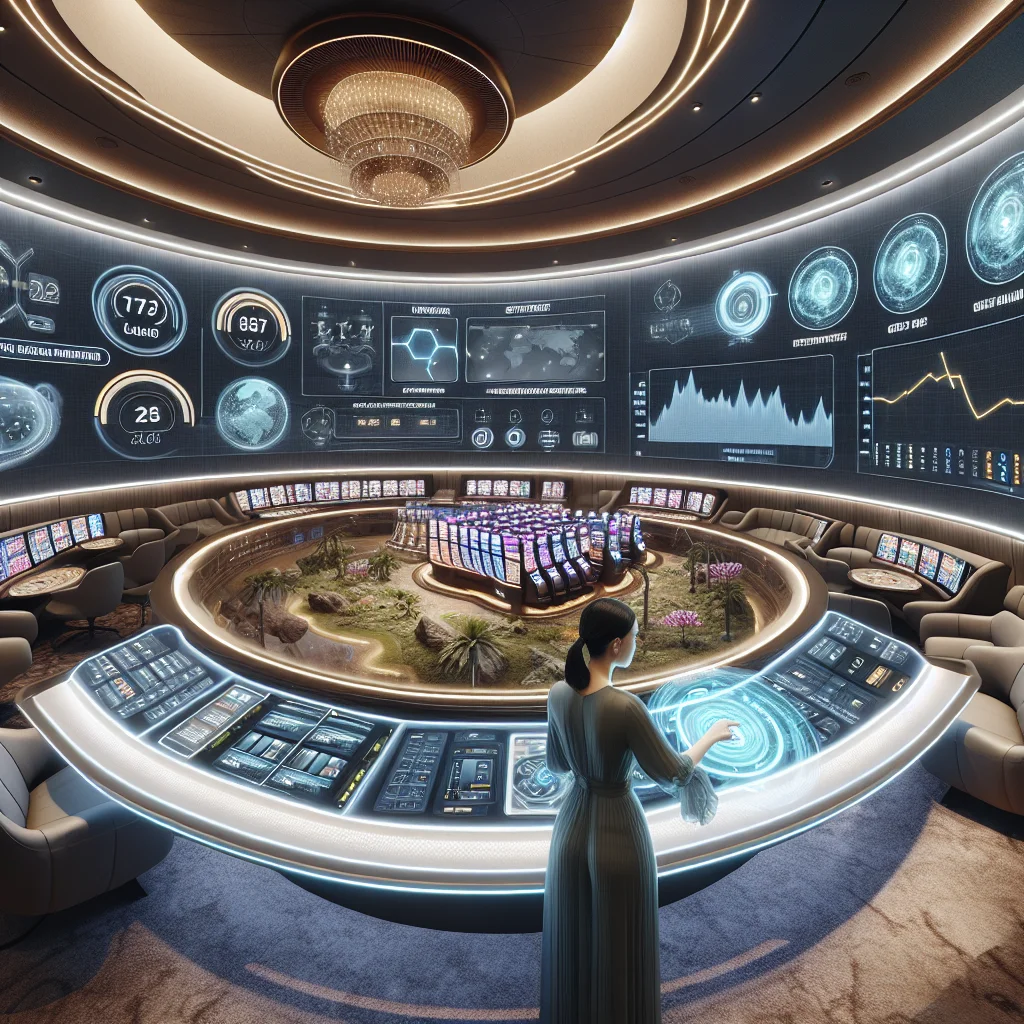
The breathtaking fantasy of a themed casino resort is underpinned by a hidden layer of sophisticated technology that is as advanced as the illusions are convincing. While guests marvel at animatronic dragons and soaring atrium skies, an intricate digital nervous system is constantly at work, managing everything from the guest experience and security to environmental control and operational efficiency. The evolution from simple decorative themes to fully interactive, responsive environments has been driven by leaps in software, hardware, and connectivity. Today’s resorts are essentially smart cities wrapped in thematic skins, leveraging the Internet of Things (IoT), Artificial Intelligence (AI), Virtual and Augmented Reality (VR/AR), and massive data analytics to create seamless, personalized, and astonishingly efficient operations. This technological backbone is the unsung hero, transforming static sets into living worlds and ensuring that the magic not only awes but operates flawlessly 24/7.
The Digital Nervous System: IoT and Smart Building Management
At the core of the modern resort is a pervasive Internet of Things (IoT) network. Thousands of sensors are embedded throughout the property, forming a digital nervous system. These sensors monitor and control a vast array of functions: climate control in different thematic zones, water quality and flow in lagoons and fountains, lighting states and energy consumption, elevator traffic, and even the occupancy of restrooms. This data feeds into a centralized Building Management System (BMS), often powered by AI, that makes real-time adjustments to optimize comfort, efficiency, and guest flow. For example, if sensors detect a crowd building in the “Roman Forum” restaurant corridor, the BMS can subtly increase cooling and adjust pathway lighting to guide flow. If a slot machine’s internal sensor indicates a component is nearing failure, a maintenance ticket is auto-generated. This IoT framework ensures the massive, complex environment runs with the precision of a Swiss watch, minimizing downtime, reducing energy costs, and proactively addressing issues before they disrupt the guest experience.
Immersive Experience Tech: Projection Mapping, AR, and VR
The technology that guests directly interact with has moved far beyond static sets. Projection mapping has revolutionized theming, allowing ordinary surfaces—walls, ceilings, even swimming pools—to become dynamic canvases. A castle wall can tell a story, a ceiling can transition from a sunny sky to a starry night, and a平淡 pool can become a swirling portal to an underwater world. This technology allows for themes to change dynamically for different events or seasons. Augmented Reality (AR) is being used to add interactive layers to the physical environment. Through a resort app or AR glasses, guests might see mythical creatures wandering the halls, unlock hidden story elements by pointing their phone at a statue, or see navigation arrows overlaid on the real-world floor. Virtual Reality (VR) takes immersion further, offering dedicated experiences where guests can fully dive into a thematic adventure—exploring a virtual ancient tomb, racing on a fantasy track, or playing a fully immersive VR slot game—adding a deep, personalized layer of engagement that complements the physical space.
AI and Personalization: Crafting the Unique Journey
Artificial Intelligence is the engine behind the growing trend of personalization in themed resorts. By integrating data from loyalty programs, room key usage, gaming play, dining reservations, and even social media profiles (with permission), AI builds a detailed guest profile. This enables hyper-personalized experiences. A guest who enjoys jazz might find recommendations for the resort’s speakeasy-themed bar on their in-room TV. A family with children might receive a push notification about a character meet-and-greet in the “enchanted forest” zone. On the casino floor, AI-driven systems can manage dynamic pricing for hotel rooms or suggest game offerings based on a player’s historical preferences. AI chatbots provide 24/7 concierge service via text or in-room tablets, answering questions and making bookings in natural language. This technology moves the resort from a one-size-fits-all fantasy to a tailored narrative where the environment seems to anticipate and respond to individual desires, dramatically increasing guest satisfaction and spending.
Cashless and Contactless Systems: The Seamless Wallet
The transactional experience within resorts has been utterly transformed by integrated cashless technology. The traditional wallet is becoming obsolete. Guests can link a credit card or deposit funds to a digital wallet within the resort’s app or onto a RFID-enabled room key or wearable band. This “resort currency” can be used for everything: playing slots and table games, buying drinks, paying for meals, shopping, and booking shows. The benefits are multifold. For the guest, it offers incredible convenience and speed, eliminating the need to carry cash or repeatedly present a credit card. For the resort, it increases spending by reducing friction, provides a wealth of spending data for personalization, enhances security by reducing cash handling, and streamlines accounting. Furthermore, these systems integrate fully with the loyalty program, automatically awarding points for all purchases and enabling instant redemption for comps or discounts, creating a closed, seamless financial ecosystem that keeps guests engaged within the resort’s economic bubble.
Security and Surveillance: The Invisible Shield
Maintaining safety and integrity in a vast, crowded, cash-heavy environment requires some of the world’s most advanced security technology. Modern surveillance goes far beyond standard CCTV. Systems employ high-resolution, panoramic cameras with facial recognition capabilities (used in compliance with local laws) to monitor for excluded persons or known security risks. AI-powered video analytics can detect unusual behavior patterns—like someone loitering near a cash desk or a sudden crowd surge—and alert security personnel in real time. RFID chips in chips and high-value tokens allow for tracking to prevent theft and counterfeit. Cybersecurity is equally critical, protecting the vast network of guest financial data and operational systems from attack. This technological shield operates invisibly, ensuring that the environment feels carefree and safe for guests while providing operators with an unprecedented level of situational awareness and control, which is essential for protecting both assets and the resort’s reputation.
Sustainability Tech: Engineering Green Fantasies
As environmental concerns grow, technology is key to making these energy-intensive fantasies sustainable. Resorts are deploying sophisticated systems to reduce their ecological footprint. Advanced water reclamation and treatment plants recycle water for irrigation and lagoon features. Smart grids and energy management systems use AI to shift power loads, integrate renewable sources like solar panels (often hidden on flat roofs or designed as thematic elements), and optimize HVAC operation. Food waste is tracked and managed by AI systems to improve kitchen efficiency. Even the thematic elements are getting greener, with LED lighting that uses a fraction of the energy of traditional bulbs and new, sustainable materials for scenic construction. This “green tech” is often integrated into the BMS, allowing engineers to monitor sustainability metrics in real time. This commitment not only reduces operational costs but is increasingly a requirement for licensing in environmentally conscious markets and a positive point of differentiation for guests who value corporate responsibility, proving that the biggest fantasies can also be responsible stewards of the real world.
The magic of a themed casino resort is a meticulously engineered illusion, and its most powerful spell is technology. From the IoT sensors that breathe life into the environment to the AI that personalizes each guest’s journey, these innovations work in concert to create an experience that feels both wondrously fantastical and effortlessly smooth. The technology operates largely unseen, its success measured by the absence of friction—no waiting, no confusion, no broken illusions. As technologies like AR, VR, and AI continue to advance, the line between the physical set and the digital overlay will blur even further, creating ever more responsive and immersive worlds. The future themed resort will be a living entity, learning from and adapting to its guests in real time. This hidden technological heart ensures that the fantasy is not just a static backdrop, but a dynamic, interactive, and sustainable stage for the ultimate escape, proving that the greatest wonders are built not just on imagination, but on silicon, software, and data.