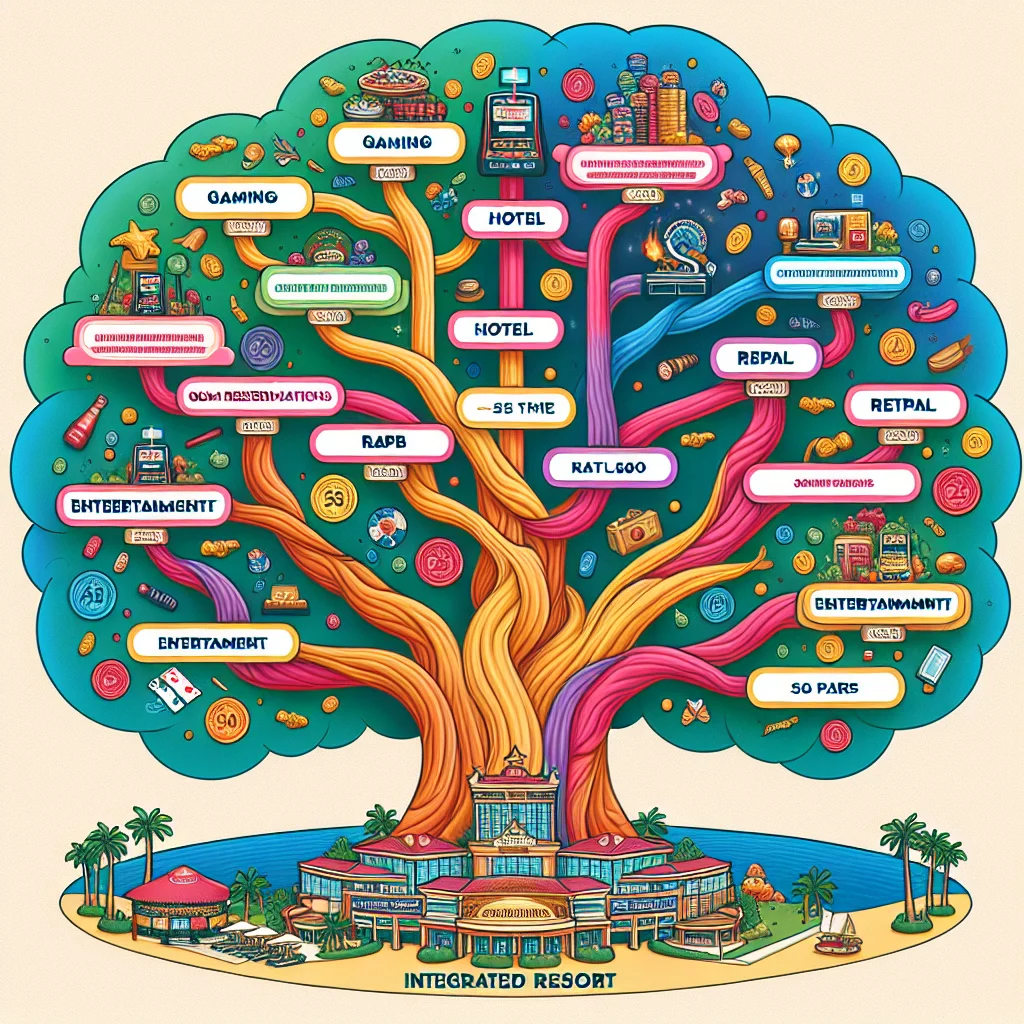
Beneath the dazzling spectacles and immersive narratives of themed casino resorts operates a sophisticated and remarkably resilient economic engine. These are not merely casinos with attached hotels; they are meticulously designed diversified revenue machines, often described as “integrated resorts.” This business model strategically reduces reliance on volatile gaming income by creating multiple, synergistic profit centers that cater to every aspect of a guest’s stay. The theme itself is not just an aesthetic choice but a crucial commercial framework that justifies premium pricing across all offerings and encourages cross-spending. From the moment a guest books a room to their final souvenir purchase, every interaction is a potential revenue event. Understanding this multifaceted economic blueprint reveals why these colossal complexes are built, how they weather economic downturns better than traditional casinos, and how they have redefined profitability in the hospitality and entertainment industry on a global scale.
The Core Engine: Casino Gaming Revenue
While diversified, the casino floor remains the high-margin core engine of most themed resorts. Gaming revenue is typically broken into two main categories: table games and slot machines. Table game revenue is calculated as the “drop” (money exchanged for chips) minus the “win” (chips cashed out), with the house retaining a statistical edge based on game rules. Slot machine revenue is more straightforward, calculated as the amount wagered minus the amount paid out in winnings, known as the “hold.” The themed environment directly impacts these numbers. An engaging, comfortable, and exciting atmosphere increases “time on device” for slots and lengthens gaming sessions at tables. The lack of clocks and windows, the complimentary (“comp”) drinks service, and the overall sense of escapism all work to keep players engaged longer, directly boosting the theoretical win for the house. High-limit rooms, often themed as exclusive sanctuaries, cater to VIP players who can generate a disproportionate amount of total gaming revenue, justifying immense personal attention and lavish complimentary amenities.
The Hotel: A Reliable and Scalable Pillar
The hotel component transforms the resort from a day-trip destination into a multi-day revenue generator. Room revenue provides a stable, predictable income stream that is less susceptible to short-term fluctuations than gaming. The theme allows for tiered room pricing; a standard “explorer’s chamber” commands one rate, while a “pharaoh’s suite” or a “sky villa” with thematic decor and enhanced amenities can command exponentially more. High occupancy rates are driven by packaging—offering deals that bundle room nights with show tickets, dining credits, or spa treatments. Furthermore, a guest in a hotel room is a captive customer for 24 hours or more, significantly increasing their potential spend on all other resort amenities. The hotel operation also feeds valuable data into customer relationship management (CRM) systems, allowing for targeted marketing and personalized offers to encourage repeat visits, building a base of loyal customers who contribute to both gaming and non-gaming revenue over their lifetime.
Food and Beverage: From Fuel to Destination Dining
Modern themed resorts have revolutionized their food and beverage (F&B) operations from cost centers to major profit drivers. The strategy involves creating a diverse culinary landscape that captures spending at all meal occasions and price points. This includes quick-service outlets for fast fuel, lavish buffets offering perceived value, and a portfolio of high-end, celebrity-chef-led restaurants that are destinations in themselves. Theming allows for unique concepts that justify premium pricing: dining in a jungle grotto, a restaurant on a pirate ship, or a cocktail bar inside a faux ice cave. Beverage revenue, from poolside cocktails to rare wines in fine-dining establishments, carries exceptionally high margins. By limiting external dining options (through remote locations or enclosed design), resorts ensure a high capture rate of guest F&B spending. This “captive audience” model, enhanced by the convenience and thematic excitement of on-property dining, turns every meal into a significant revenue event, contributing massively to overall profitability.
Retail and Entertainment: Monetizing the Narrative
Retail in a themed resort is a masterclass in experiential shopping. Unlike a standard mall, stores are curated to sell bespoke, theme-specific merchandise that cannot be easily found elsewhere—artisanal jewelry inspired by the resort’s lore, custom apparel, high-end collectibles, and branded souvenirs. This exclusivity allows for substantial markups. The retail environment itself is an attraction, designed as a bustling bazaar, a treasure trove, or a futuristic boutique, making browsing part of the entertainment. The entertainment division is another colossal revenue stream. World-class theatrical productions, resident headliners, nightclubs, and lounges sell millions of tickets annually. These shows often have high fixed costs but, once established, generate very high-margin revenue. They also drive hotel bookings and attract a non-gaming audience, broadening the resort’s customer base. Premium seating, VIP packages, and merchandise related to the show add ancillary revenue, creating a powerful profit center that also serves as a major marketing tool for the entire property.
Ancillary Streams: The Long Tail of Profitability
The revenue model extends into numerous ancillary streams that collectively contribute a significant portion of the bottom line. Conventions and Meetings (MICE – Meetings, Incentives, Conferences, Exhibitions) business is a huge, low-season filler, selling large blocks of rooms and F&B packages. Spas and wellness centers offer high-margin services like massages and treatments, often themed to the resort’s concept (e.g., “Royal Egyptian Rituals”). Parking and transportation services generate revenue, especially in urban locations. Some resorts charge for access to premium attractions like observation decks, aquarium tunnels, or iconic pools. Licensing the resort’s brand and theme for products, games, or media creates royalty income. Additionally, the strategic use of the casino loyalty program is key. By awarding points for all spending (gaming, hotel, dining, retail), the resort encourages cross-property spending. These points can be redeemed for future stays or amenities, driving repeat business and locking customers into the resort’s ecosystem, ensuring a long-term revenue flow from a captured audience.
Risk Mitigation and Economic Resilience
The diversified integrated resort model is fundamentally a strategy of risk mitigation. A traditional casino’s fortunes are tied directly to the volatility of gaming win. In contrast, a themed integrated resort with strong non-gaming revenue can remain profitable even if gaming volumes dip due to economic recession, changing regulations, or competitive pressure. The hotel, dining, shopping, and entertainment offerings attract a wider demographic, including families, couples, and business travelers who may not gamble at all. This insulates the business from anti-gaming sentiment or regional economic shifts affecting disposable income for gambling. The theme itself is a defensive asset; a strong, well-maintained theme protects the property from seeming dated and allows for reinvestment and renewal in specific areas without a complete overhaul. This economic resilience makes themed integrated resorts attractive to investors and governments, as they are seen as stable, long-term tourism assets that can anchor regional development, provide steady employment, and generate substantial tax revenue through multiple channels, proving that the business of fantasy is, in fact, a very sound and sustainable reality.
The themed casino resort stands as a triumph of economic engineering, a complex organism where every element is designed to contribute to a profitable whole. Its business model, moving far beyond the simple arithmetic of the casino floor, leverages the power of immersion to create a captive, high-spending ecosystem. By transforming the guest into a character within a monetizable narrative, the resort can justify premium prices across a vast spectrum of experiences, from a night’s sleep to a gourmet meal to a themed t-shirt. This diversification is its greatest strength, providing stability in a volatile industry and ensuring its relevance to a broad market. The success of this model has rewritten the rules of global hospitality, proving that the most lucrative fantasies are those built on a foundation of shrewd, multi-faceted commerce, where wonder and revenue are not opposing forces, but intimately intertwined partners in creating destinations that captivate the imagination and the wallet in equal measure.