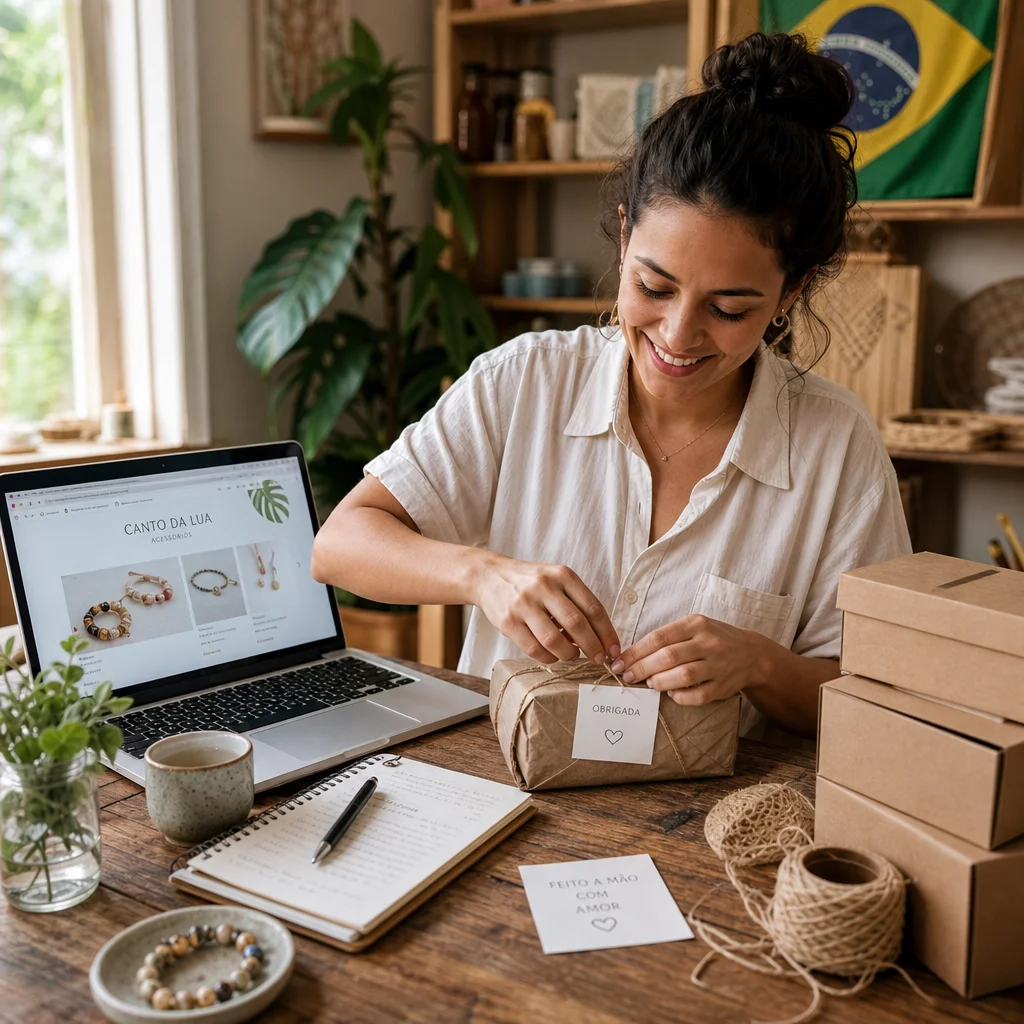
Existe uma diferença sutil, mas decisiva, entre quem apenas gosta de fazer algo e quem decide lucrar com isso. O primeiro grupo encontra prazer na atividade em si. O segundo grupo percebe que aquele prazer pode se tornar um negócio real, com clientes, receita e propósito. Se você está lendo este artigo, provavelmente já se pegou pensando: “e se eu pudesse viver disso?”. A resposta curta é: sim, é possível. A resposta longa envolve método, paciência e uma boa dose de autoconhecimento. Vamos destrinchar esse caminho passo a passo, sem promessas mágicas e sem atalhos ilusórios.
O primeiro passo é mudar a forma de olhar para o seu passatempo
Quem quer lucrar com um passatempo precisa, antes de tudo, mudar a lente com que enxerga aquela atividade. O que antes era apenas diversão passa a ser analisado como produto, serviço ou experiência. Isso não significa perder o prazer, mas sim adicionar uma camada estratégica. Pergunte-se: o que exatamente eu entrego? Para quem? Por que alguém pagaria por isso em vez de fazer sozinho ou comprar de outra pessoa?
Essas perguntas parecem simples, mas revelam muito. Muitos hobbies são prazerosos justamente porque são livres, sem prazos nem cobranças. Ao transformá-los em negócio, é preciso aceitar que haverá regras, clientes exigentes e metas. Quem entende isso desde o início sofre menos no processo.
Descubra o valor único que só você pode oferecer
Todo negócio nascido de um hobby tem um diferencial natural: a história por trás dele. Você não é uma fábrica, é uma pessoa com trajetória, gostos e um jeito próprio de fazer as coisas. Esse é o seu maior ativo. Em vez de tentar competir por preço, competir por autenticidade costuma ser muito mais inteligente.
Pense no que torna o seu trabalho reconhecível. Talvez seja o acabamento caprichado, o atendimento personalizado, a embalagem feita à mão, o cuidado com ingredientes, a escolha de cores ou o tom das suas explicações. Esses detalhes, somados, formam o valor único que justifica o preço e fideliza clientes.
Valide a ideia antes de investir pesado
Um dos maiores erros de quem decide lucrar com um hobby é investir muito dinheiro antes de saber se existe demanda. A ordem correta é o contrário: primeiro validar, depois investir. Validação significa testar o interesse real do público com o mínimo de recursos possível.
Isso pode ser feito de várias formas. Ofereça uma versão inicial do produto para amigos e conhecidos. Faça uma pequena produção e venda em feiras ou grupos locais. Publique nas redes sociais e observe as reações. Crie uma lista de espera antes de lançar. Se as pessoas demonstrarem interesse genuíno, você tem sinal verde para avançar. Se não, ajuste a oferta ou mude o foco.
Escolha o canal de venda certo para o seu perfil
Nem todo hobby combina com todo canal de venda. Quem produz peças artesanais pode se dar bem em marketplaces como Elo7 ou Shopee. Quem oferece serviços personalizados tende a prosperar no Instagram e no WhatsApp. Quem ensina algo pode criar cursos em plataformas como Hotmart ou Kiwify. Quem cria conteúdo pode monetizar no YouTube, TikTok ou em blogs.
O ideal é começar com um canal principal e dominá-lo antes de expandir. Muitos iniciantes se dispersam tentando estar em todos os lugares ao mesmo tempo e acabam não performando bem em nenhum. Foque, aprenda, cresça e só então diversifique.
Precificação inteligente: nem barato demais, nem fora da realidade
Precificar é uma das tarefas mais desafiadoras para quem vem do mundo do hobby. A tentação de cobrar pouco para atrair clientes é grande, mas costuma ser um caminho perigoso. Preço baixo demais desvaloriza o trabalho, atrai clientes problemáticos e inviabiliza o crescimento.
Uma boa precificação considera três elementos: custos diretos, custos indiretos e margem de lucro. Some tudo o que você gasta para produzir ou entregar, adicione uma parcela para despesas fixas (como internet, energia e ferramentas) e inclua uma margem que remunere seu tempo e seu talento. Pesquise concorrentes, mas não se prenda a eles. Seu diferencial justifica seu preço.
Construa uma presença digital que gere confiança
Hoje, a primeira impressão de qualquer negócio acontece online. Ter uma presença digital bem cuidada é essencial, mesmo que você venda apenas localmente. Um perfil no Instagram com fotos de qualidade, um site simples ou uma página no WhatsApp Business já fazem uma diferença enorme.
Invista em conteúdo que mostre o processo, não apenas o resultado. Vídeos curtos de bastidores, depoimentos de clientes, explicações sobre materiais e escolhas criativas geram conexão. As pessoas querem conhecer quem está por trás do produto. Quanto mais transparente você for, mais confiança constrói.
Organize a rotina para não perder o prazer
Um dos maiores riscos ao lucrar com um hobby é transformá-lo em uma fonte de estresse. Para evitar isso, é fundamental organizar a rotina. Defina horários para produção, atendimento, marketing e descanso. Separe dias específicos para criar livremente, sem compromisso comercial.
Essa separação ajuda a manter viva a paixão que deu origem a tudo. Lembre-se: o hobby é a base do negócio, e se ele morrer, o negócio perde a alma. Cuide dele como cuidaria de uma planta rara: com atenção, mas sem sufocar.
Aprenda o básico de gestão e finanças
Não é preciso ser especialista, mas entender o básico de gestão financeira faz toda a diferença. Registre entradas e saídas, controle estoque, acompanhe margens e saiba quanto precisa vender por mês para cobrir os custos. Ferramentas simples, como planilhas gratuitas, já resolvem a maior parte.
Considere também formalizar o negócio quando o faturamento justificar. O MEI é uma porta de entrada acessível e permite emitir nota fiscal, abrir conta empresarial e acessar benefícios previdenciários. Além disso, transmite mais credibilidade para clientes e parceiros.
Invista em aprendizado contínuo e networking
Nenhum negócio cresce sem aprendizado. Participe de cursos, assista a conteúdos de qualidade, leia livros sobre empreendedorismo e marketing, e conecte-se com outras pessoas que também transformaram hobbies em profissão. Trocar experiências acelera o crescimento e evita erros repetidos.
Grupos e comunidades online são ótimos espaços para isso. Além de aprender, você encontra parceiros, fornecedores e até clientes. Networking, no contexto de negócios nascidos de paixões, costuma ser mais leve e genuíno, porque as pessoas compartilham valores parecidos.
Lide com a oscilação emocional da jornada
Todo negócio tem altos e baixos. Haverá meses excelentes e meses difíceis. Haverá clientes encantados e outros insatisfeitos. Haverá dias em que você duvidará das próprias escolhas. Saber lidar com isso emocionalmente é parte do jogo.
Uma estratégia útil é manter um diário de conquistas. Anote cada venda, cada elogio, cada aprendizado. Nos dias difíceis, releia. Isso ajuda a manter a perspectiva e a lembrar por que você começou. Também vale ter uma rede de apoio: amigos, familiares ou outros empreendedores que entendam o que você está vivendo.
Quando e como escalar o negócio
Escalar não significa crescer descontroladamente. Significa aumentar a capacidade de entrega sem comprometer a qualidade nem a sua saúde. Isso pode envolver automatizar processos, terceirizar tarefas repetitivas, criar produtos digitais que vendem sem esforço adicional ou formar parcerias estratégicas.
Antes de escalar, garanta que a base está sólida: processos documentados, finanças organizadas, clientes satisfeitos e margem saudável. Crescer sobre uma base frágil é o caminho mais rápido para o colapso. Vá com calma, mas vá sempre em frente.
Conclusão: lucrar com o que se ama é possível, mas exige maturidade
Lucrar com aquilo que você ama fazer é uma das experiências mais gratificantes que existem. Mas é importante encarar essa jornada com maturidade. Paixão é o combustível, mas estratégia é o motor. Sem planejamento, disciplina e disposição para aprender, até o hobby mais encantador pode se tornar um problema.
Comece pequeno, valide, ajuste, organize e cresça com consistência. Cerque-se de pessoas que somam, cuide da sua saúde mental e celebre cada avanço. O caminho é longo, mas cada passo dado com propósito aproxima você de uma vida mais alinhada com quem você realmente é. Se o seu passatempo te faz feliz, talvez ele também possa sustentar a sua vida. A decisão de começar é sua.