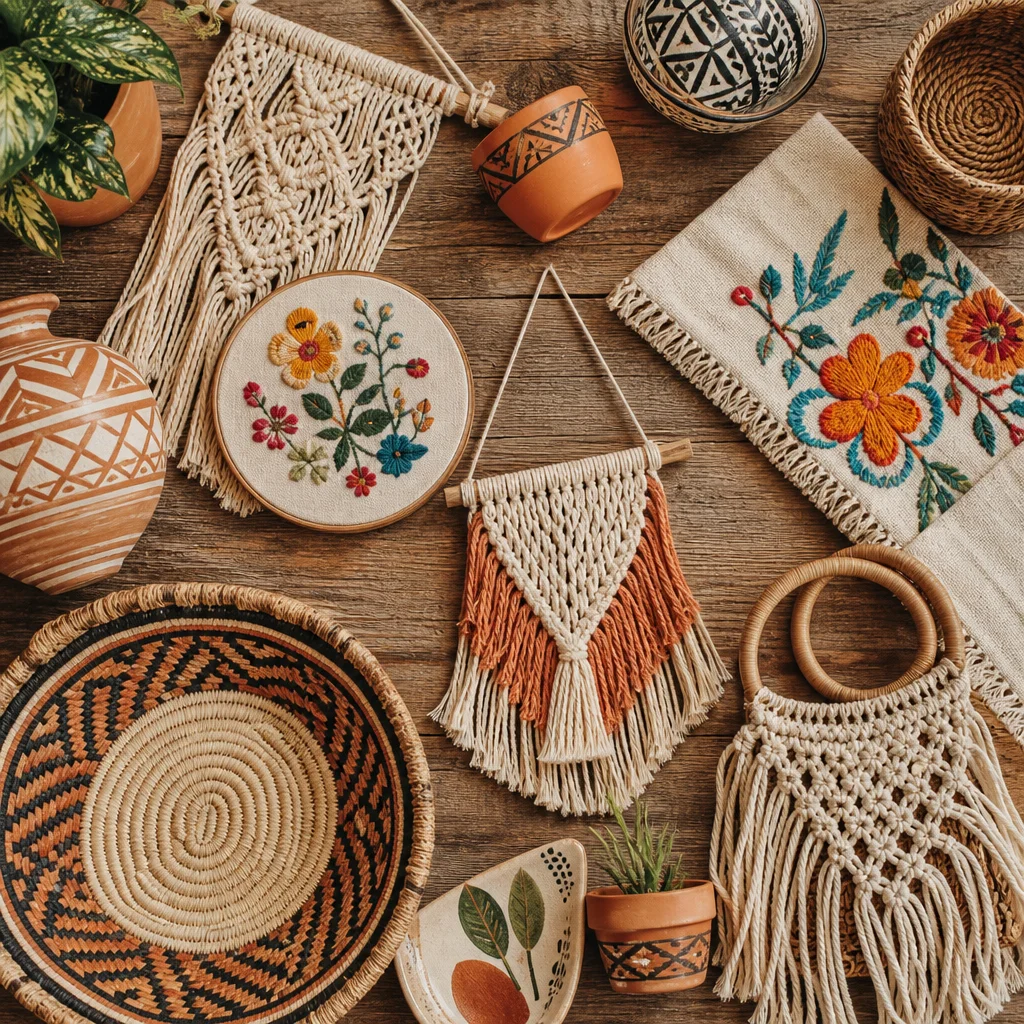
O artesanato é uma das atividades mais antigas da humanidade e, curiosamente, uma das que mais crescem no mercado atual. Em um mundo dominado por produtos industrializados e descartáveis, o valor do feito à mão voltou a ser reconhecido. Consumidores buscam peças únicas, com história, identidade e cuidado. Se você já produz artesanato por prazer, talvez esteja sentado sobre uma mina de ouro criativa sem perceber. Este guia mostra, passo a passo, como transformar essa habilidade em uma fonte de renda consistente e sustentável.
Por que o mercado de artesanato está em alta no Brasil
O Brasil tem uma tradição artesanal riquíssima, com influências indígenas, africanas, europeias e orientais. Essa diversidade cria um cenário fértil para quem deseja vender peças únicas. Ao mesmo tempo, o consumidor moderno valoriza sustentabilidade, produção local e consumo consciente. Comprar artesanato virou, para muitos, uma forma de apoiar pequenos produtores e fugir do óbvio.
Além disso, plataformas digitais como Elo7, Shopee, Mercado Livre, Instagram e TikTok reduziram drasticamente as barreiras de entrada. Hoje, uma artesã que trabalha na sala de casa pode vender para todo o país, ou até para o exterior, sem precisar de loja física ou grande investimento inicial. O cenário é favorável, mas exige estratégia.
Descubra qual artesanato combina com você e com o mercado
Antes de pensar em vendas, é essencial definir o que você vai produzir. Bordado, crochê, macramê, cerâmica, velas aromáticas, sabonetes artesanais, bijuterias, papelaria criativa, marcenaria, costura criativa e resina são apenas alguns exemplos. Cada nicho tem público, faixa de preço e concorrência diferentes.
Faça uma autoavaliação honesta. O que você faz com mais facilidade? O que te dá prazer? O que você consegue produzir em quantidade razoável sem perder qualidade? Depois, cruze essas respostas com a demanda real. Pesquise em marketplaces, veja o que vende bem, analise preços e identifique lacunas. Um nicho específico, como velas para rituais de autocuidado ou bordados personalizados para bebês, costuma render mais do que tentar agradar todo mundo.
Precificação: o erro que quebra a maioria dos artesãos
Muitos artesãos talentosos fracassam financeiramente porque cobram barato demais. A precificação precisa considerar três pilares: custos, tempo e valor percebido. Some o gasto com matéria-prima, embalagem, transporte e taxas de plataforma. Depois, calcule quantas horas você levou para produzir e defina um valor justo para sua hora de trabalho. Por fim, adicione uma margem de lucro.
Uma fórmula simples é: preço = (custo dos materiais + valor da sua hora × horas trabalhadas) × margem de lucro. Se o resultado parecer alto, não se assuste. Muitas vezes o problema não é o preço, mas a comunicação do valor. Peças feitas à mão carregam história, técnica e exclusividade, e isso precisa ser transmitido ao cliente.
Evite também a armadilha de copiar o preço do vizinho. Cada negócio tem estrutura de custos diferente. O importante é que o preço cubra seus gastos, remunere seu trabalho e permita reinvestimento.
Onde vender seus produtos artesanais
Existem diversos canais, e o ideal é testar mais de um para descobrir o que funciona melhor para o seu nicho. Marketplaces como Elo7 e Shopee oferecem visibilidade, mas cobram comissões e exigem boa gestão de anúncios. Redes sociais como Instagram e TikTok são ótimas para construir marca e relacionamento, mas exigem conteúdo constante.
Feiras de artesanato, eventos locais e lojas colaborativas são excelentes portas de entrada, especialmente no início. Elas permitem contato direto com o cliente, feedback imediato e construção de reputação. Uma loja virtual própria, criada com plataformas como Nuvemshop ou Shopify, dá mais controle e margem, mas demanda investimento em tráfego.
A estratégia mais eficiente costuma ser híbrida: usar redes sociais para atrair, marketplaces para escalar e loja própria para fidelizar. Com o tempo, você identifica qual canal traz mais retorno e concentra esforços nele.
Fotografia e apresentação: o que vende antes do produto
No ambiente digital, a imagem é o primeiro contato do cliente com sua peça. Fotos escuras, fundos bagunçados e descrições vagas afastam compradores, por melhor que seja o produto. Invista em luz natural, fundos neutros e composições que mostrem detalhes, texturas e escala.
Um celular moderno é suficiente para começar. Fotografe em horários de luz suave, use objetos de cena que conversem com o estilo da peça e capriche nas descrições. Conte a história do produto, o material utilizado, o tempo de produção e os cuidados necessários. Clientes valorizam transparência e sentem-se mais seguros ao comprar.
Marketing digital para artesãos: como ser encontrado
Não basta ter produto bom; é preciso ser visto. O marketing digital para artesãos combina conteúdo, consistência e palavra-chave. Publique regularmente mostrando o processo criativo, os bastidores, os erros e os acertos. Vídeos curtos de produção têm alto engajamento e ajudam a viralizar.
Use hashtags relevantes, participe de comunidades do seu nicho e interaja com outros criadores. Parcerias com influenciadores locais e permutas com pequenos negócios também funcionam bem. E não subestime o poder do boca a boca: peça depoimentos, incentive indicações e ofereça pequenos brindes para clientes recorrentes.
Um blog ou newsletter pode parecer antiquado, mas ajuda a construir autoridade e a manter contato com a audiência. Conteúdo educativo sobre técnicas, materiais e tendências atrai pessoas interessadas no universo do artesanato, muitas das quais se tornam clientes.
Organização, prazos e atendimento ao cliente
Quando o hobby vira negócio, a informalidade precisa dar lugar à organização. Tenha uma agenda de produção, controle de estoque e prazos realistas. Prometer o que não pode cumprir destrói reputação rapidamente. Se a demanda crescer, considere terceirizar etapas ou aumentar o prazo de entrega.
Atendimento é diferencial competitivo. Responda mensagens com agilidade, seja claro sobre prazos e políticas de troca, e trate cada cliente como único. Um atendimento humano e atencioso gera avaliações positivas, que impactam diretamente as vendas futuras.
Como escalar sem perder a essência
Escalar no artesanato não significa industrializar. Significa criar sistemas que permitam produzir mais sem sacrificar qualidade. Isso pode envolver padronização de peças, criação de coleções, produção em pequenos lotes e delegação de tarefas como embalagem e envio.
Produtos digitais, como moldes, apostilas e cursos, são uma forma inteligente de multiplicar a renda sem aumentar as horas de trabalho manual. Muitos artesãos complementam a renda ensinando o que sabem, o que também fortalece a marca e cria novas fontes de receita.
Erros que você deve evitar
Alguns tropeços são comuns entre iniciantes. Cobrar barato demais, não separar finanças pessoais das profissionais, ignorar impostos, negligenciar o marketing e desistir nos primeiros meses de baixa venda são os mais frequentes. Também é um erro tentar agradar todos os públicos ao mesmo tempo, o que dilui a identidade da marca.
Outro ponto importante é cuidar da saúde física. Artesãos costumam desenvolver dores nas mãos, ombros e coluna por posturas inadequadas. Alongamentos, pausas e um espaço de trabalho ergonômico fazem diferença no longo prazo.
Construindo uma carreira sólida com o que você ama
Viver de artesanato é possível, mas exige mais do que talento. Exige planejamento, disciplina, aprendizado contínuo e resiliência. A boa notícia é que o caminho já foi trilhado por milhares de pessoas, e cada uma delas começou exatamente como você: com uma ideia, um material e a vontade de criar.
Comece pequeno, valide, ajuste e cresça. Trate seu artesanato como negócio, sem deixar de amá-lo como arte. Com o tempo, você percebe que o maior lucro não está apenas no dinheiro, mas na liberdade de fazer o que gosta e ver seu trabalho sendo reconhecido por quem o recebe.